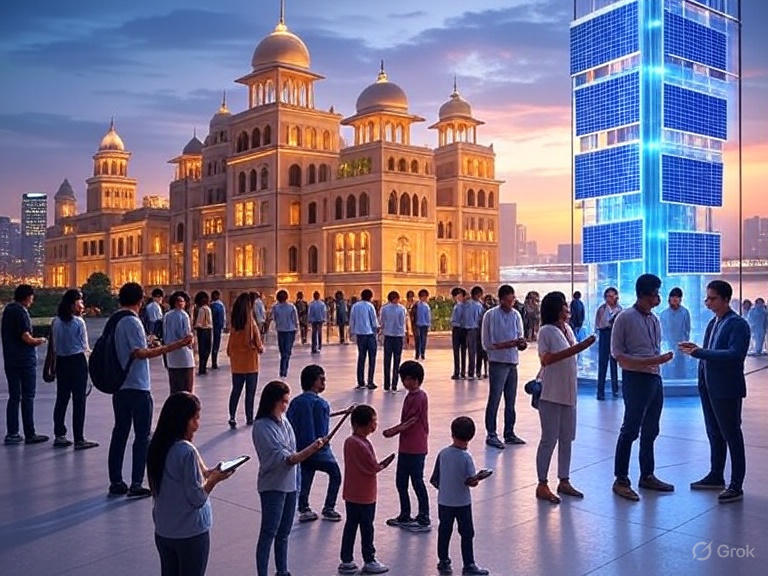
The digital revolution in India isn’t just about apps or 5G—it’s running on a hidden backbone: data centers. Whether you’re streaming a reel, making a UPI payment, or launching a startup, there’s a huge network of digital infrastructure quietly powering your experience. Let’s break it down—no jargon, only clear talk and real details.
What Exactly Is a Data Center and Edge Data Center?
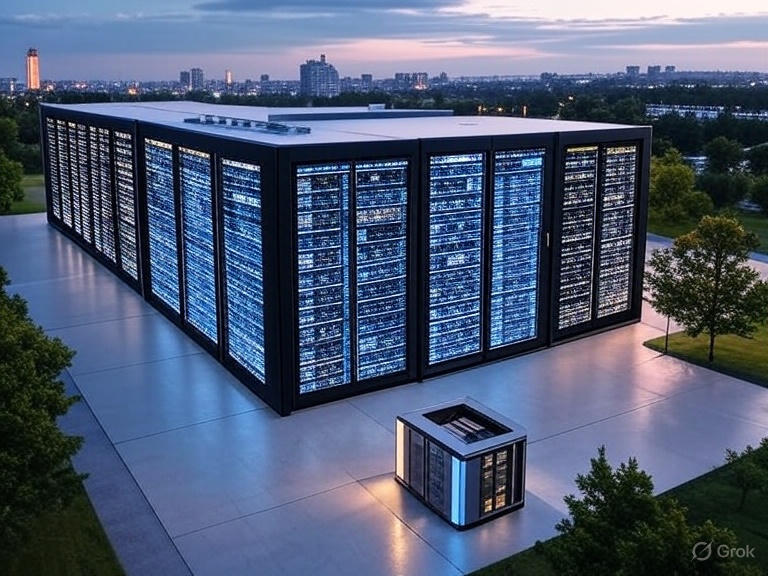
Imagine a data center as a super-high-security building full of big, powerful computers. These machines are working 24/7 to store, process, and send your digital files, photos, websites, and business apps wherever they need to go.
But sometimes, those “big” data centers are far away (maybe in Mumbai, Bangalore, or even outside your city). Here’s where edge data centers—think of them as local “mini-centers”—step in, sitting close by in smaller cities or even neighborhoods. They make the internet feel faster and more reliable, cutting down delay and bringing the cloud closer to you.
Why Do AI and Tech Need Data Centers So Badly?
Modern AI, machine learning, video streaming, gaming, and banking—all need huge amounts of raw computing power and instant data access. Training an AI model for a company like Google? That takes racks and racks of servers in massive data centers.
But even for more everyday tech—ordering food, watching a cricket match online, or mobile banking—edge data centers help by processing your requests locally, so you aren’t waiting for data to bounce across the country.
Growing Demand = Big Business
India already has over 150 major data centers, with Mumbai leading but new ones popping up quickly in cities like Lucknow, Patna, Bhubaneswar, and Bhopal.
The trend: Huge global players (think Google, Microsoft, Amazon) are expanding, and Indian companies like CtrlS, Nxtra (Airtel), Sify, and RackBank are racing to build locally—especially edge data centers.
Real-Life Example: CtrlS, Nxtra & Others in Small Cities
CtrlS is already operating in smaller Indian cities, like Patna or Lucknow, and plans to expand.
Nxtra (Airtel’s data center wing) has set up edge centers in Bhopal, Nagpur, Ranchi, and Cuttack.
These edge centers bring fast internet to local businesses—think a grocery shop in Bhubaneswar streaming inventory live to management, or a startup in Patna relying on low-latency connections for real-time customer data.
How Much Does It Cost?
- Big Data Centers: Costs can shoot up to hundreds of crores—because you need a big plot, serious security, power backup, air conditioning, and 24/7 monitoring.
- Edge Data Centers: Much cheaper but still several crores to set up (expect 5–20 crore rupees for a decent edge center). If the government helps with free land or tax breaks, your costs can fall up to 30%—but the setup still needs pro hardware and good network infrastructure.
Even running a small setup at home (a “home lab”) is easy for personal needs, but it just can’t scale like a professional center due to power, cooling, and security needs.
How Does Government Help?
Many states (like Rajasthan) and the central government now treat data centers as “infrastructure,” so they offer cheap land, subsidies, power discounts, and fast permissions.
Digital India programs and new “data localization” rules encourage local companies to build or use Indian data centers.
Special schemes like Viability Gap Funding (VGF) help with battery back-ups and smart, energy-efficient systems.
Business Opportunities—How Can You Be a Part?
You don’t need to own a data center to take advantage of this boom! Lots of opportunities exist:
- Local supplier/service provider: Offer construction, power backup, air conditioning, cabling, security, or cleaning services to the companies building new data centers.
- Technical support/maintenance: Edge centers especially need local experts for 24/7 maintenance—if you have technical chops, this is your stage.
- Manpower outsourcing: Firms need security guards, network engineers, HVAC mechanics, electricians, and IT staff—can you be their go-to talent source?
- Reseller/distributor: You can help local businesses use data center services, acting as a connector, consultant, or even distributor for cloud and storage solutions.
- Local partner: Many big operators take on local partners, contractors, or collaborators to comply with rules, ensure faster response, and deliver custom solutions.
To really win contracts—especially maintenance deals—you’ll need a few things: industry certifications (like ISO 27001), some solid references or prior work, readiness for fast emergency support, and competitive pricing.
How Do These Partnerships Usually Work?
- Sometimes the company buys land and builds everything itself (especially in metro areas).
- But usually, they work with the local government or businesses: partnerships for land, shared infrastructure, even joint ventures in some cases.
- Some centers are set up on lease/rent deals to keep costs low and stay flexible.
What Makes Edge Data Centers Different from Big Ones?
- Edge Data Centers: Smaller, cheaper, faster to set up, focused on local data processing. Good for quick service and speed but may have less advanced cooling, power, and security.
- Big Data Centers: Massive—think a whole football stadium’s worth of servers! Expensive, high-tech, super secure, and can handle a huge amount of data.
Usually, edge centers help carry the load, making sure users in smaller cities get quality, timely digital services without stressing the big data centers.
Common Questions & Practical Tips
- Can you set up your own data center for business at home? For a mini server (to keep files, stream-to-TV, or test apps), sure! But for large business needs, serious investment and standards are key.
- How do big companies decide where to build? Mostly based on infrastructure (power, internet, safety), demand, and what incentives the local government offers.
- How many centers does a small city need? Sometimes one edge center is enough; with more demand, multiple centers can pop up.
What Sets You Apart in This Market?
- Honest, fast service: Businesses and clients love transparent processes and quick response times.
- Quality and certifications: Show you meet industry standards, and you’ll be in demand for contracts and partnerships.
- Learn, adapt, stay local: Focus on the needs of each city, keep updating your skills, and watch for new trends and technologies.
Conclusion
India’s data center scene is transforming—no longer just a “metro city” story. Today, even a Tier-2 or Tier-3 city can become a digital hub, with local talent and businesses at the heart of this boom. Whether you’re a techie, a business owner, or just looking for the next opportunity—there’s space for you here. Keep it simple, focus on quality, build local connections, and grab your slice of the digital future!